


The Aussiedoodle: A Comprehensive Guide to This Charming Hybrid Dog
- Sep 29, 2025
- 5 min read
Updated: Oct 6, 2025
Introduction to the Aussiedoodle
If you’re looking for a smart, energetic, and affectionate dog, the Aussiedoodle often catches people’s attention. This hybrid breed combines traits from the Australian Shepherd and the Poodle, aiming to bring together the best of both worlds: intelligence, loyalty, and often a lower-shedding coat. But like any breed (or mix), they have pros and cons. In this post, I’ll share what I found from veterinary, breeder, and breed-analysis sources to give you a well-rounded look at the Aussiedoodle.
The Aussiedoodle: Origins & History
The Aussiedoodle is a designer or hybrid breed — a cross between an Australian Shepherd and a Poodle. Rover.com+2DogAcademy.org+2
This isn’t an “official” pure breed recognized by major kennel clubs (e.g., AKC), partly because being a crossbreed means traits can vary quite a bit. PetPlace+2DogAcademy.org+2
The rise in popularity of “doodle” breeds (labradoodles, goldendoodles, Aussiedoodles) in the late 1990s and early 2000s fueled intentional breeding of Aussiedoodles. Rover.com+2DogAcademy.org+2
Because of the mixed heritage, not every Aussiedoodle will look or behave the same — there can be significant variation, even within the same litter.
Appearance & Sizes
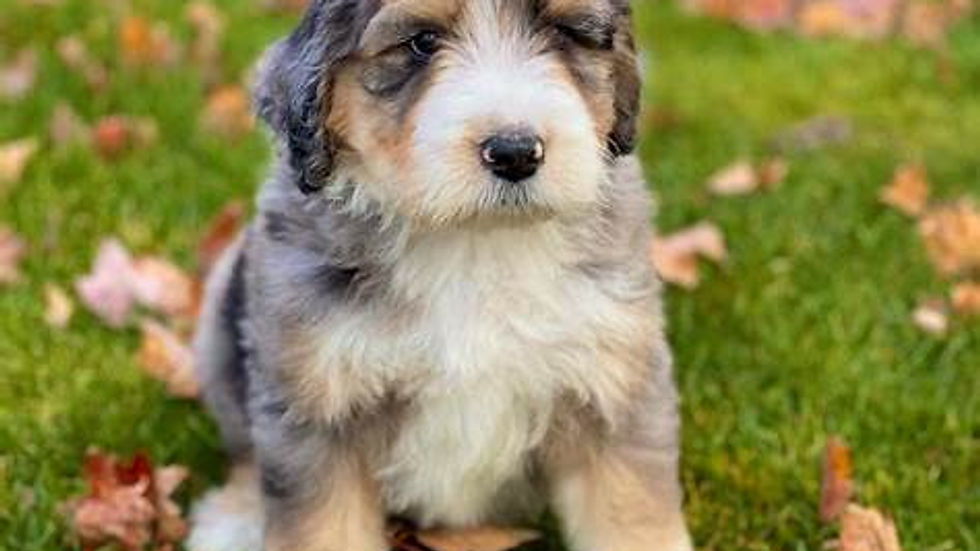
One thing many find fascinating about Aussiedoodles is their variety in looks.
Size: Depending on whether the Poodle parent is Toy, Miniature, or Standard, the adult Aussiedoodle can weigh anywhere from around 25 to 70 pounds (or even more in some lines). PetPlace+3Wag!+3DogAcademy.org+3
Height: Height at the shoulder might vary roughly from 14 to 23 inches (or more) depending on the line. Wag!+2PetPlace+2
Coat / Fur: Coats range from wavy to curly (sometimes more Poodle-like) to more straight or shaggy (leaning to the Shepherd side). PetPlace+3Wag!+3DogAcademy.org+3
Shedding / Hypoallergenic: Some Aussiedoodles have lower shedding coats, which can be more compatible with people who have mild allergies, but “low shedding” is not guaranteed. PetMD+4PetPlace+4Rover.com+4
Colors: You’ll find them in many colors and patterns — black, white, merle, sable, red, bi-colors, etc. Because of the Australian Shepherd’s influence, more striking patterns (like merle) are possible. Wag!+3thedoodlepro.com+3DogAcademy.org+3
Because of this variation, when choosing a puppy (or adult), meeting the parents (or seeing relatives) can help give you a better idea of how your dog may turn out.
Temperament & Personality
Here’s where many people fall in love with Aussiedoodles — they tend to have lively, engaging personalities.
Intelligence & Trainability
Aussiedoodles inherit high intelligence from both sides: Poodles are known to be one of the more intellectual dog breeds, and Australian Shepherds have strong working and herding instincts. PetPlace+3DogTime+3Rover.com+3
They tend to pick up new commands and tricks quickly, and respond well to reward-based training. thedoodlepro.com+2Rover.com+2
Energy Levels & Exercise Needs
They are energetic dogs and typically require regular physical activity. Many sources recommend at least an hour per day of exercise (walking, running, play). Wag!+4PetMD+4DogAcademy.org+4
Mental stimulation is just as important — without purposeful activity, they may become bored and engage in destructive behavior (chewing, digging, etc.). DogAcademy.org+3Lyka Pet Food+3Rover.com+3
Social & Family Behavior
Generally, Aussiedoodles are friendly, affectionate, and thrive on being part of a family. Rover.com+3DogTime+3PetPlace+3
They often do well with children and other pets — provided they’re socialized early and supervised. PetPlace+2DogAcademy.org+2
One caution: because of their Shepherd lineage, some Aussiedoodles may inherit herding instincts, which could translate into nipping or “herding” small children or animals. Wag!+3PetPlace+3DogAcademy.org+3
They can also develop barking tendencies (alert barking) if not trained or socialized. PetPlace+1
In short, their temperament is usually a good match for active, engaged owners who are willing to train, socialize, and provide daily activity.
Health & Lifespan
No dog is immune to health issues, and Aussiedoodles — being a mixed breed — can inherit conditions from either parent line. But many are generally healthy when sourced from responsible breeding and given good care.
Common Health Concerns
Some of the conditions to be aware of include:
Hip dysplasia — a joint disorder. thedoodlepro.com+2PetMD+2
Eye problems — such as cataracts or Progressive Retinal Atrophy (PRA) PetPlace+3thedoodlepro.com+3PetMD+3
Merle gene risks — if both parents carry certain merle genes, there may be a higher risk of hearing or vision issues in offspring. thedoodlepro.com+1
Weight / obesity — especially if exercise and diet are not managed well. PetMD+1
Other: Some breeders and breed analyses mention elbow dysplasia, hypothyroidism, etc. North Lake Aussies+2thedoodlepro.com+2
Lifespan
Many sources cite 10–12 years as a typical life expectancy for Aussiedoodles. PetPlace+3PetMD+3Rover.com+3
If well cared for (diet, exercise, vet checks), some may live longer. DogAcademy.org+1
Grooming & Care
Because their coats vary, grooming needs differ among individuals. But here are general guidelines:
Brushing: Ideally every few days (or even daily) to prevent tangles and mats, especially in curly or dense coats. Rover.com+2PetPlace+2
Professional grooming / trimming: Every 8–12 weeks is common for many Aussiedoodles. Rover.com+2PetPlace+2
Bathing: Usually monthly (or as needed) is typical to maintain skin and coat health without over-stripping oils. Rover.com+1
Ears, nails, teeth: Regular ear checks/cleaning, nail trims, and dental hygiene are all essential parts of care. Wag!+2DogAcademy.org+2
A coat that leans more “Poodle-type” may require more grooming, while one with gentler waves might be a bit lower maintenance — but expect to spend time on coat care.
Choosing & Adopting an Aussiedoodle
If you’re considering adding an Aussiedoodle to your family, here are tips and cautions:
Finding a Responsible Breeder
Look for breeders who do health screenings on parent dogs (hips, eyes, genetic testing) and are transparent about results. Rover.com+2PetPlace+2
A good breeder will usually let you meet the parents and observe living conditions. Rover.com+1
Be cautious of red flags: always-available puppies, very low prices, no health documentation, or sellers who ship puppies sight unseen. Rover.com+1
Because Aussiedoodles are popular, puppy mills and irresponsible breeders can hide behind the “designer dog” trend — do your homework. Rover.com+2PetPlace+2
Adopting / Rescues
Some Aussiedoodles end up in rescue groups, shelters, or mixed-breed dog rescues. Adopting can be a great option. Rover.com+2PetPlace+2
One advantage of adopting an older dog is you may already see their temperament and energy level.
What to Ask / Look For
Health clearances for both parent breeds (hips, eyes, etc.)
Genetic testing results
History of litter (any known health or behavior issues)
Socialization of puppies (early exposure to people, environments, noises)
Return or spay/neuter policies
Is an Aussiedoodle Right for You?
Before getting one, take stock of your lifestyle and preferences.
Pros
Intelligent, trainable, often eager to please
Social and affectionate — they like being part of a family
Potential lower shedding (depending on coat) for allergy sufferers
Versatile: good companions for active people, families, dog sports, etc.
Challenges / Considerations
High energy — require daily exercise and mental stimulation
Grooming demands can be significant
Health risks inherited from parent breeds
Not always predictable in appearance or temperament (because of being a mixed breed)
May develop behavioral problems if bored or under-stimulated
If you have an active household, are committed to training and exercise, and don’t mind grooming, an Aussiedoodle can be a wonderful companion. But if you prefer a low-maintenance, low-energy dog, this might not be the best match.
Final Thoughts
The Aussiedoodle blends two highly intelligent breeds into a hybrid with loads of personality. Their loyalty, playfulness, and capacity for bonding make them stand out — but they are not “easy” dogs in the sense of minimal care. Prospective owners should be ready to invest in their physical and mental well-being and choose their breeder (or rescue) wisely.


